


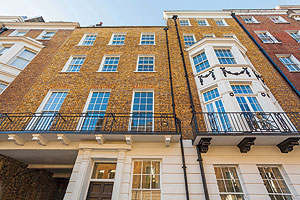
By 1878, after their extended honeymoon in Italy (they wed in August 1877), Theodore and Mabel Bent acquired the lease of a modest but fine townhouse at No. 43 Great Cumberland Place, owned by the Portman Estate.
To further his career as explorer and would-be anthropologist, Bent needed a London base and where better than the area around Marble Arch (just a brisk walk to and from the Reform Club, where Phileas Fogg – a role Theodore Bent might easily have played – hurriedly embarked on his journey around the world on 2 October 1872. By the end of 1884 the couple had moved up the road, nearer the iconic Arch, to a larger property at No. 13, on the corner of Great Cumberland Place and Bryanston Street. Bent died there in 1897 and Mabel in 1929.
At the time of her marriage, London’s finer districts were very familiar to Mabel Bent (née Hall-Dare), her wealthy parents (Essex gentry on her father’s side) having occupied various properties in Victoria’s capital in the mid 19th century. The nation’s capital was rather less familiar to her husband, Theodore Bent, born in Liverpool (1852) and raised near Bradford. (The Bents kept a country property 320 km or so north-west of London, just outside of Macclesfield, at Sutton Hall, now an enjoyable hostelry.)
The Bents and the Portman Estate’s properties in Great Cumberland Place
Thanks to the kind researches of Georgina Rowley, Archivist and Records Manager at the Portman Estate, we can share more information on the Bents’ two homes in Great Cumberland Place – Nos 43 and 13. (It takes little imagination to see our celebrity explorers leaving from and returning to their front door together over a period of some 20 years. After May 1897, Mabel would come and go alone. She retained the lease on No. 13 until her death in July 1929.)
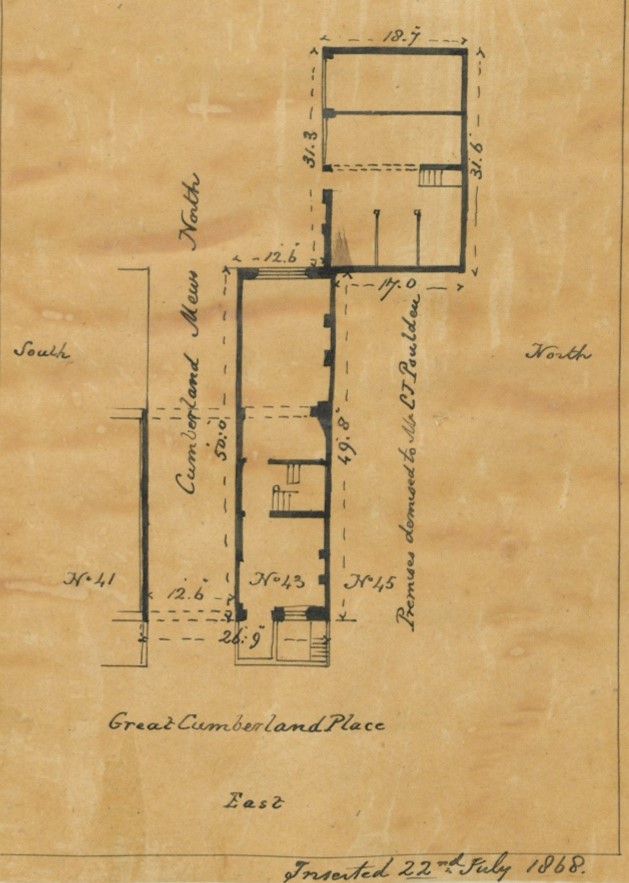
43 Great Cumberland Place
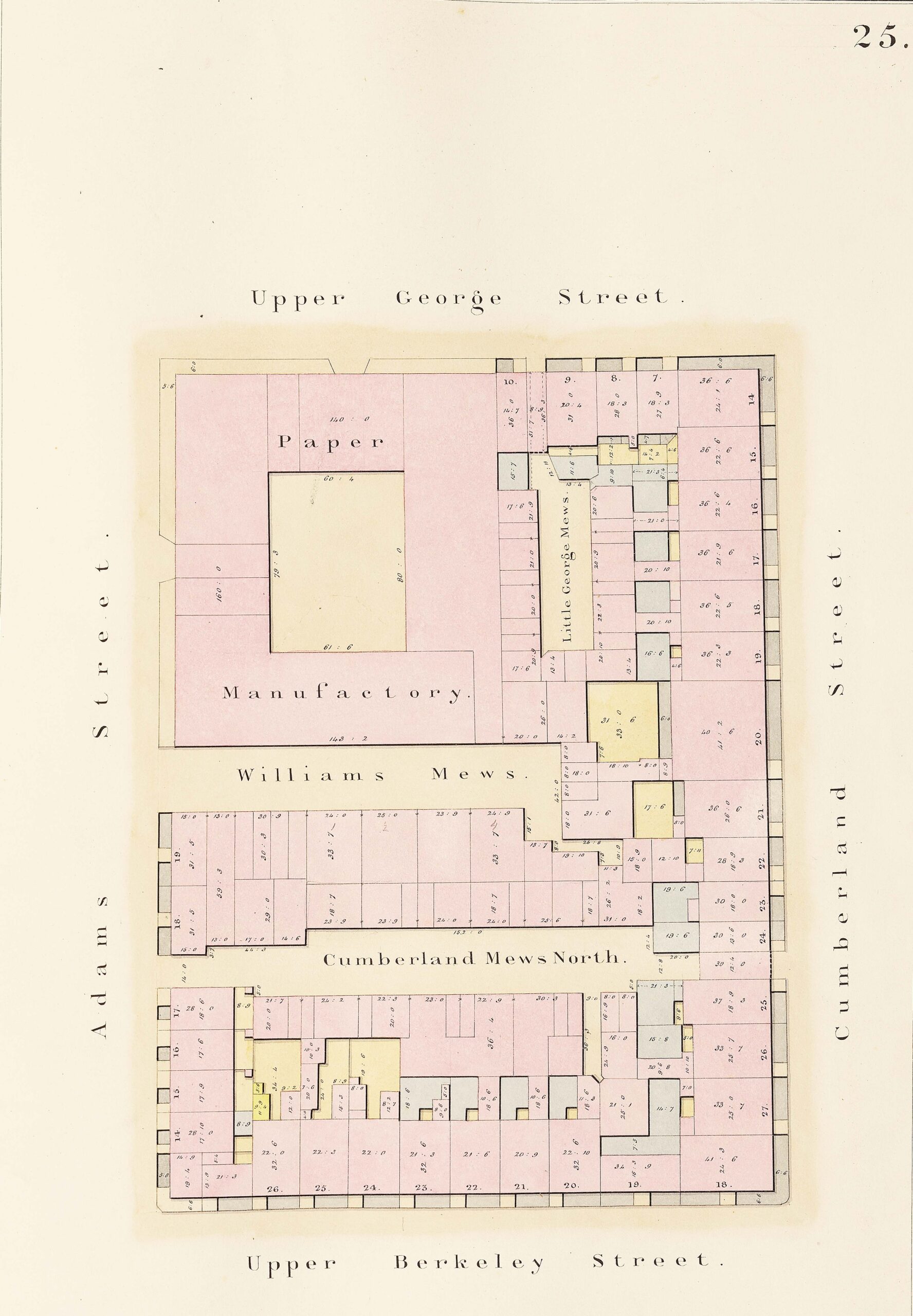
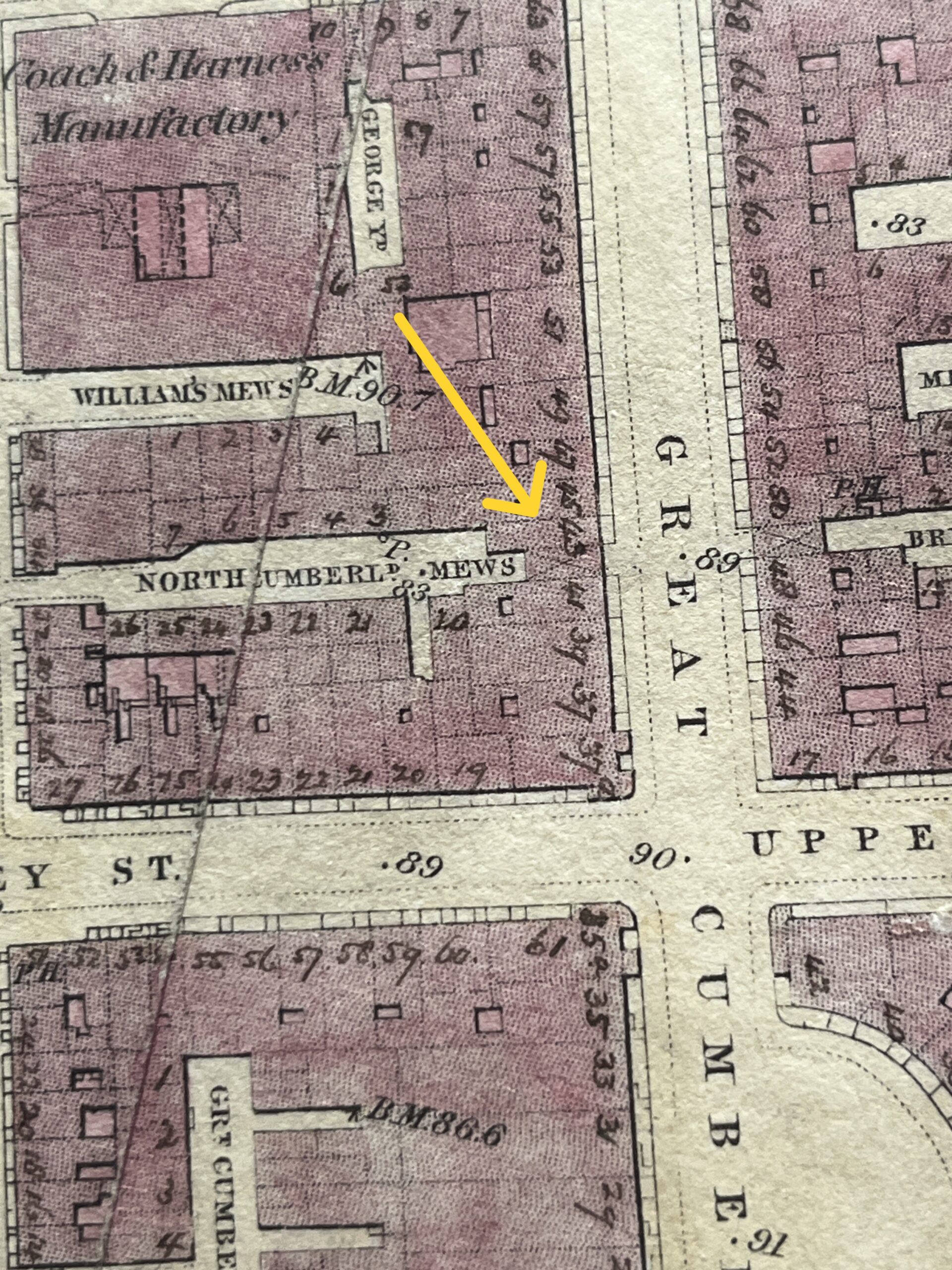
43 Great Cumberland Place used to be called 24 Great Cumberland Street, until it was renamed and renumbered in 1868. The mews street to the rear of 43 Great Cumberland Place is called Wythburn Place (previously known as Wythburn Mews, and before that, Cumberland Mews North). 2-4 Wythburn Place was included in the lease for 43 Great Cumberland Place on several occasions. In the 1830s, on the other side of this set of streets was a paper manufactory, bounded by Adams Street and Upper George Street (see P/E 1/11/6 p. 25); by 1888 this factory space was being used as a coach and harness manufactory. This property is quite unusual, because part of it was an overhanging floor that makes up the entrance to Wythburn Place, which is still there today.
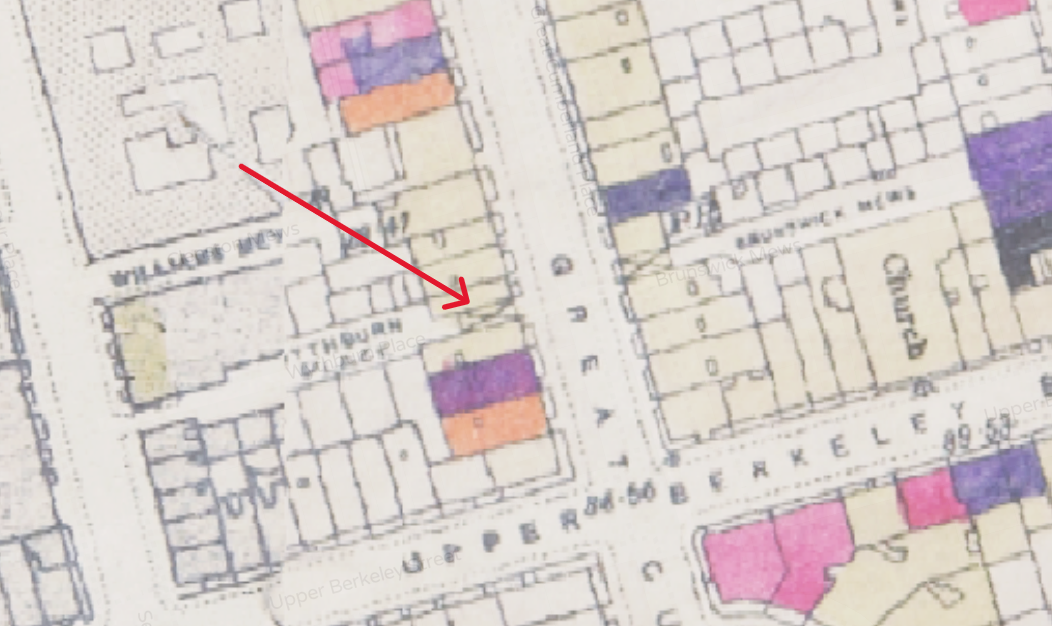
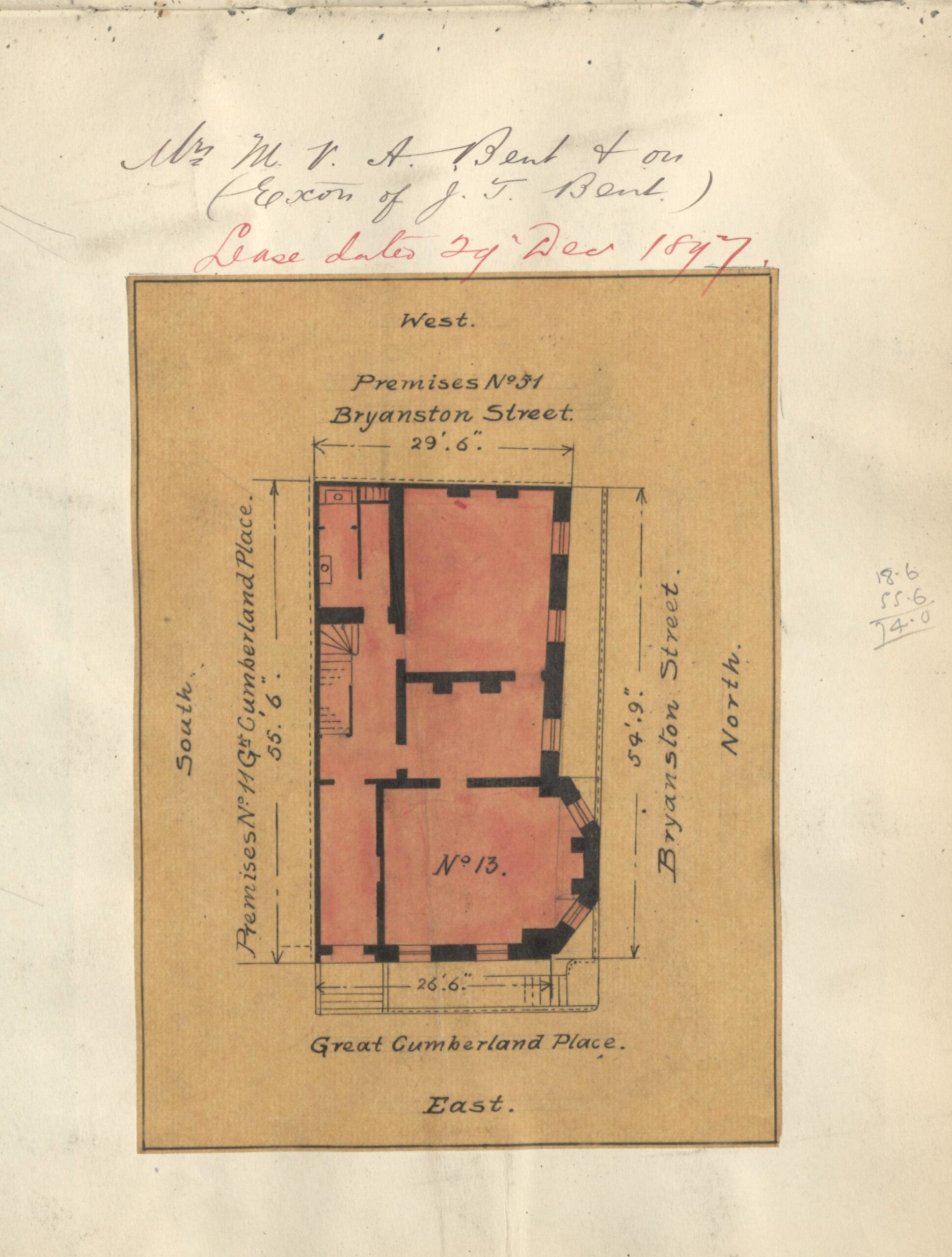
13 Great Cumberland Place
13 Great Cumberland Place used to be called 13 Great Cumberland Street, until it was renamed and renumbered in 1868. The same London bomb map referred to above shows that by 1941 it had suffered minor blast damage, but most likely later on in the war the property was badly damaged further.
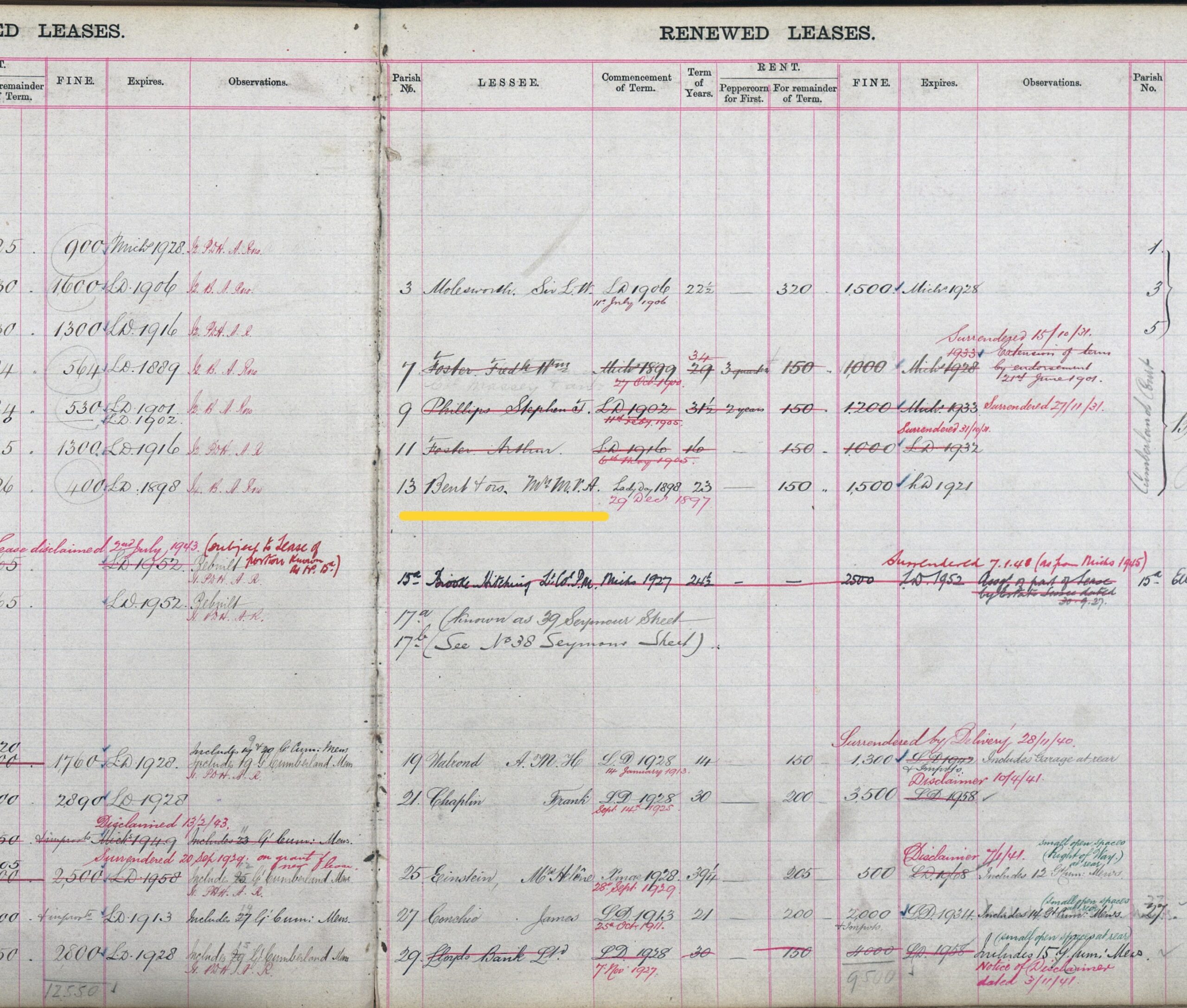
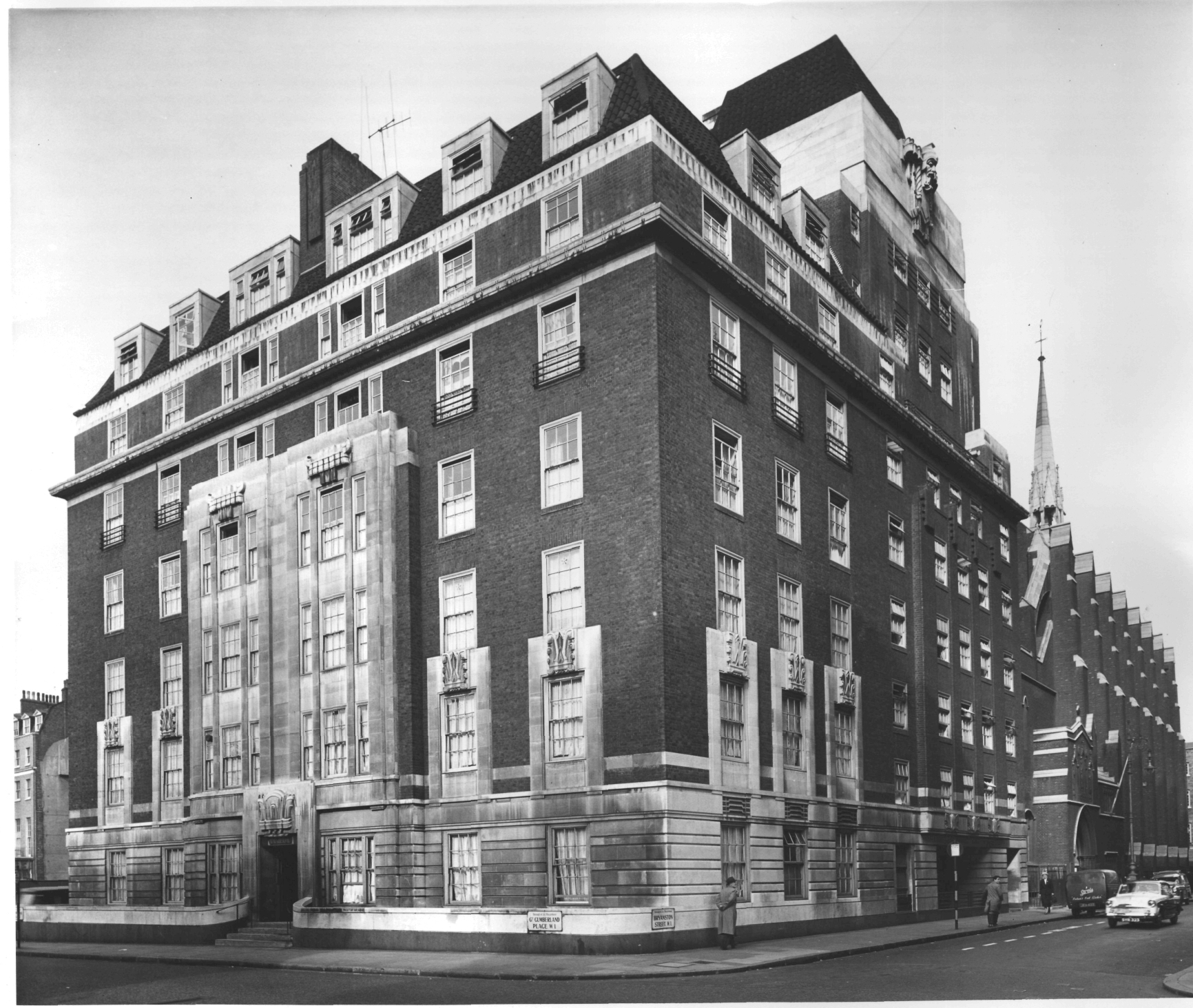
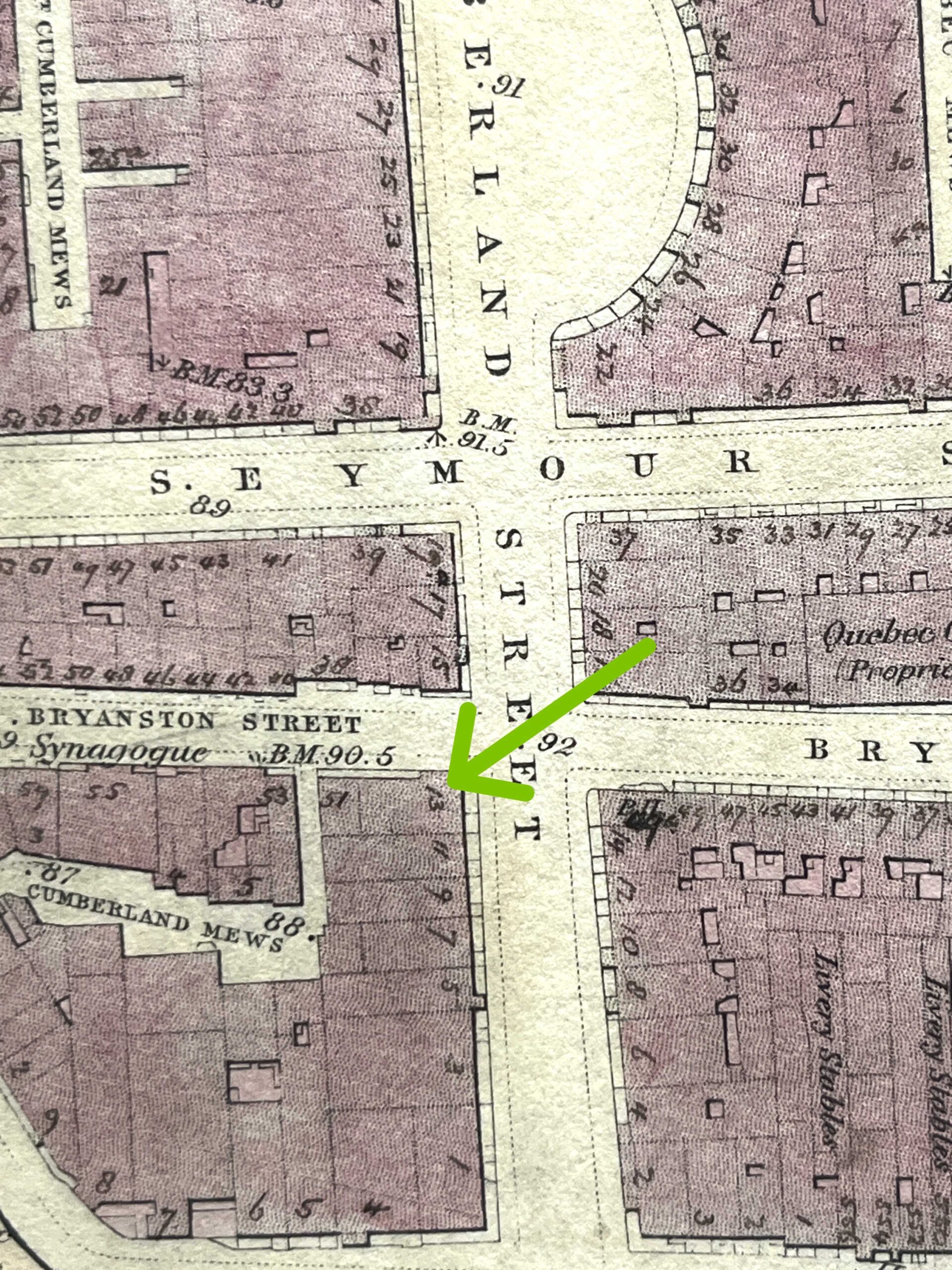
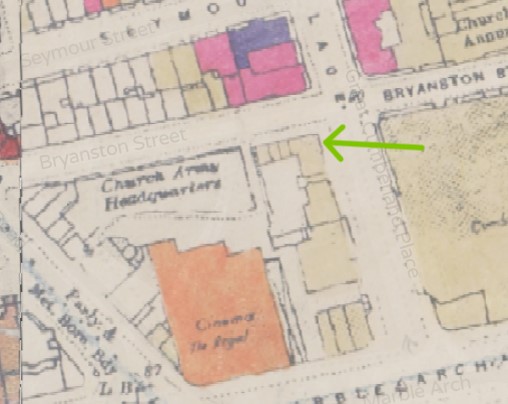
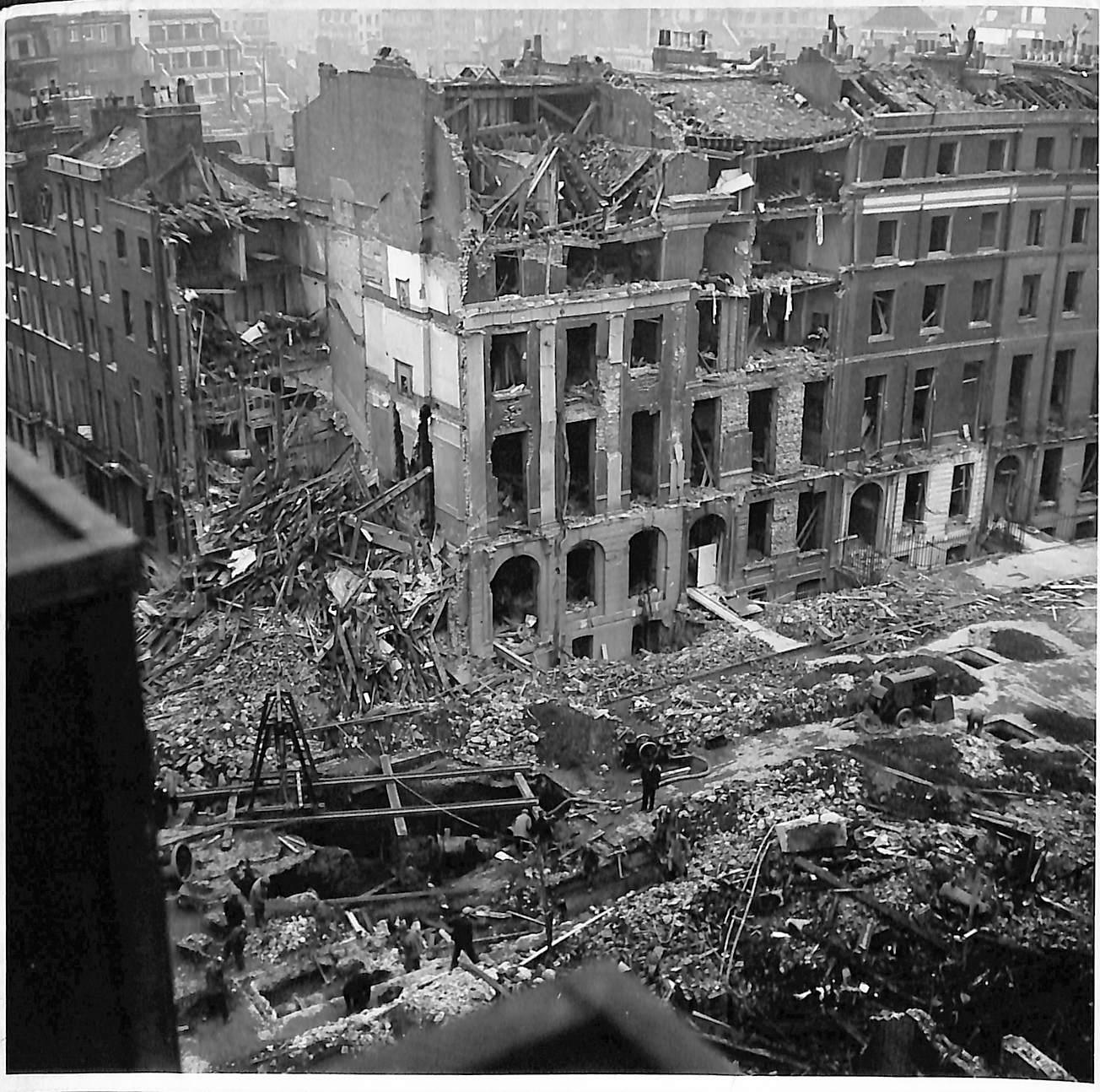
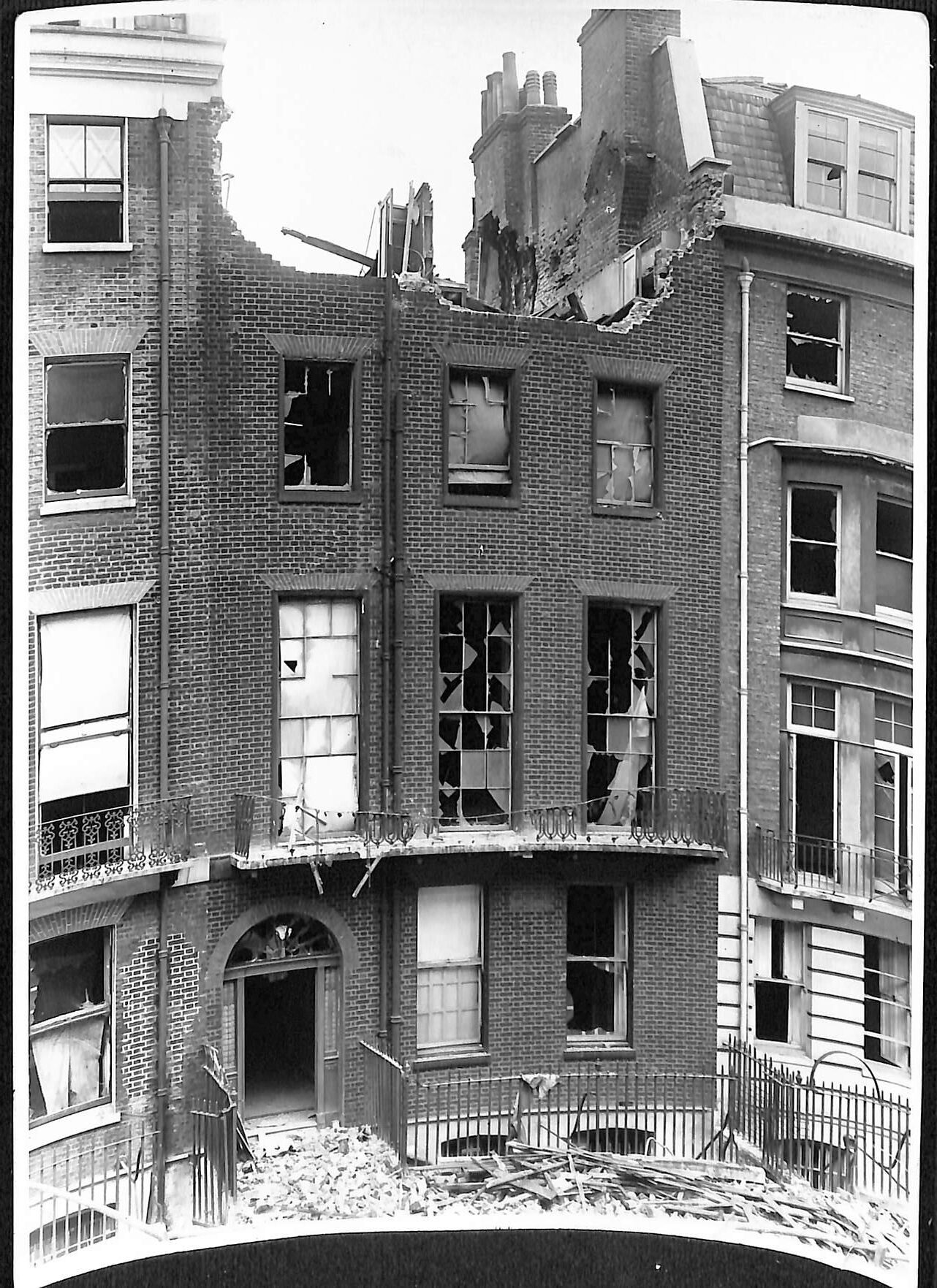
Damage to Great Cumberland Place during the WW2 air raids on London
London’s Marble Arch, a symbol of Empire and permanence in the minds of the Bents as they travelled, a feature they would have seen every day when in the capital, made a prime target for the bombing raids over London in WW2. Ironically, it survived, although the Bents’ museum-home at 13 Great Cumberland Place, just 200m or so from the monument, was destroyed. Arguably the most severe damage to the area occurred during the so-called ‘Longest Night‘ of 10-11 May 1941, when hundreds of German planes dropped their explosives on the capital. Mabel Bent, at least, was spared that trauma, having died at 13 Great Cumberland Place on 3 July 1929.
See also on our website:
Interviewing Mabel Bent, with references to the Bents’ homes.
 Leave a comment or contact us about this article